
Thermocouple Installation and Monitoring
Review concrete mix design, curing schedule, or soil thermal requirements
Design sensor layout for critical locations
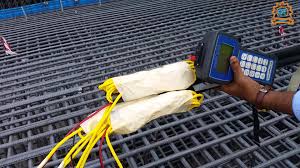
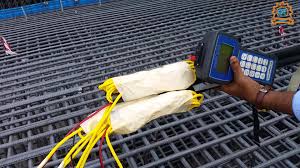
Install thermocouples securely at designed points
Connect sensors to data loggers and calibration system
Verify sensor functionality before operations or concreting
Record baseline temperature prior to activity
Monitor temperature continuously during concrete curing or construction processes
Record maximum, minimum, and average temperatures
Analyze temperature gradients and thermal variations
Detect abnormal heating, hydration anomalies, or potential defects
Compare with expected thermal profiles
Prepare detailed monitoring and interpretation report
Thermocouples are used to monitor temperature changes in concrete, soil, or structural elements to ensure quality, performance, and safety. Temperature affects concrete hydration, soil consolidation, and structural material properties.
By recording temperature continuously, engineers can verify proper curing in concrete piles, slabs, or foundations. Thermal anomalies may indicate poor concrete placement, improper curing, or hydration inconsistencies. In soil, temperature monitoring supports geotechnical studies and thermal stabilization assessments.
Reports provide temperature trends, thermal profiles, and recommendations for corrective actions if anomalies are detected. Thermocouple monitoring ensures high-quality construction, longevity of structures, and compliance with engineering standards.
Contact
Reliable soil testing across Sri Lanka
Phone